
A tail of white
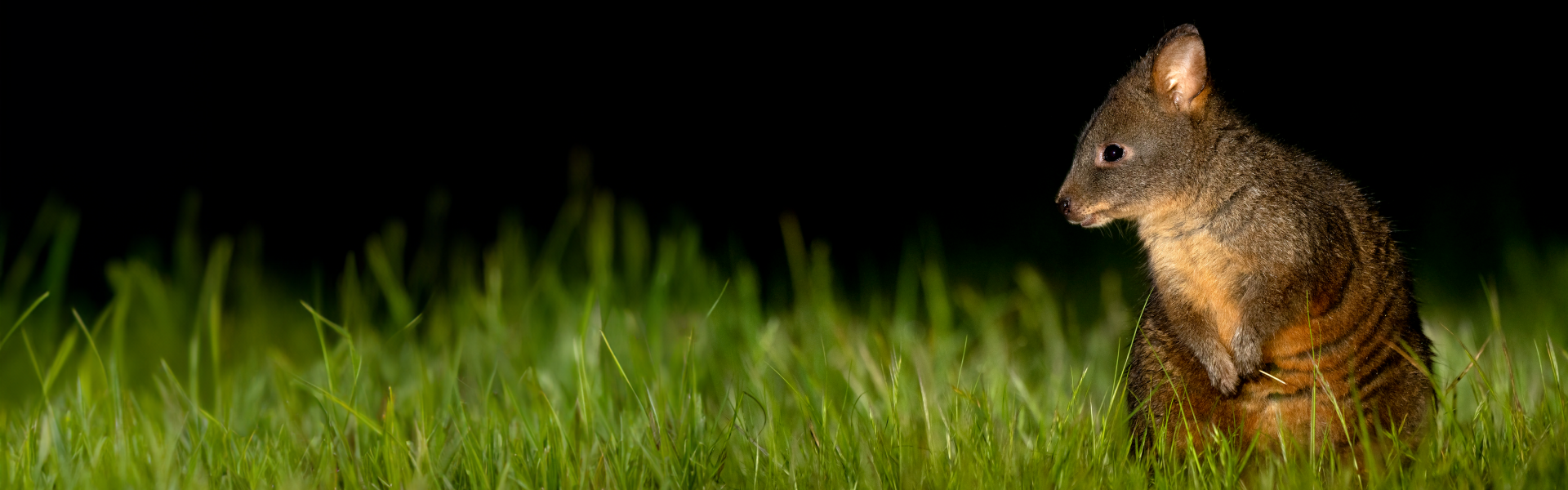
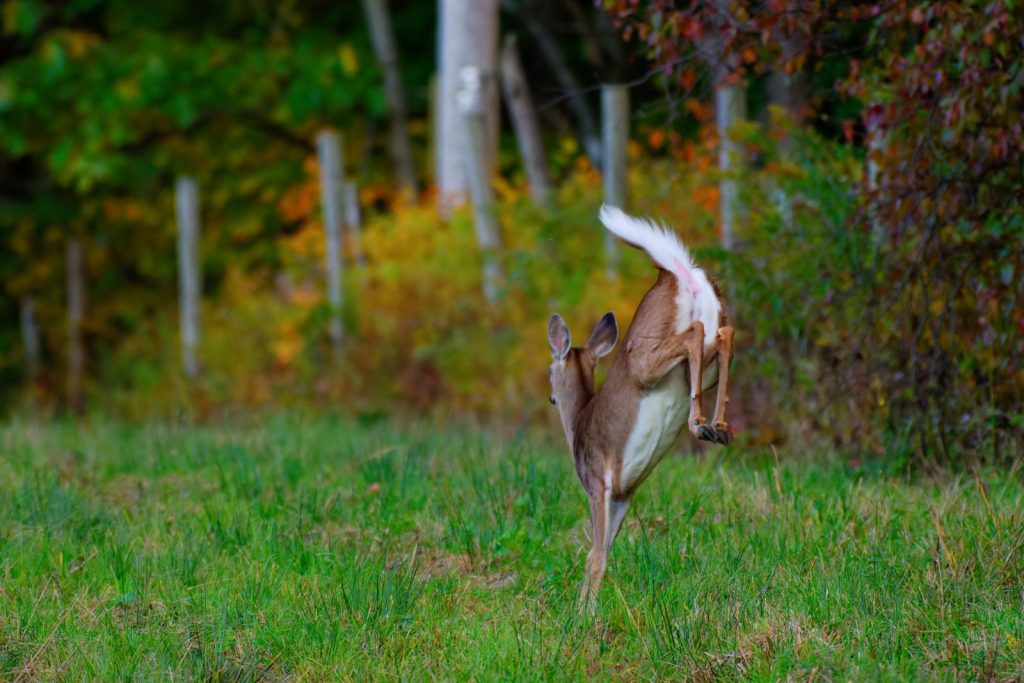
Have you ever noticed that some Tassie mammals carry a white tip on their tail? It’s not just the ringtail possum. Eastern bettongs, long-nosed potoroos, and the native water rat (rakali) share this curious feature. So too do the greater bilby, burrowing bettong, and black-footed tree rat on mainland Australia. For anyone sorting through camera … Continue reading
Hunt for the thylacine: Tasmania’s camera trap pioneers
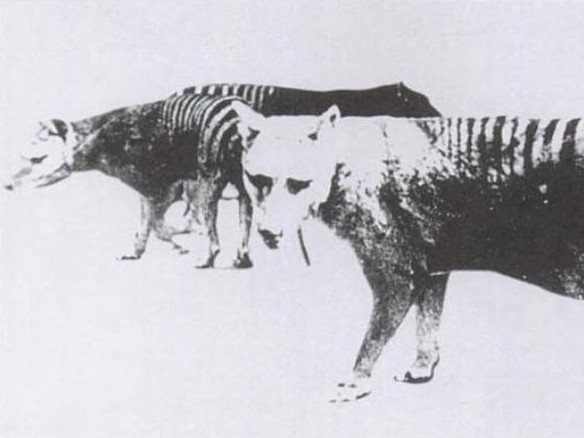
Did you know Tasmania led the way in camera trap use in the Southern Hemisphere? Back in 1950, The Mercury reported on a quest by one of Australia’s earliest known camera trappers: a Victorian naturalist who journeyed to Tasmania in search of the thylacine. His name was withheld at his request, fearing that his attempt … Continue reading
How accurate is WildTracker data?
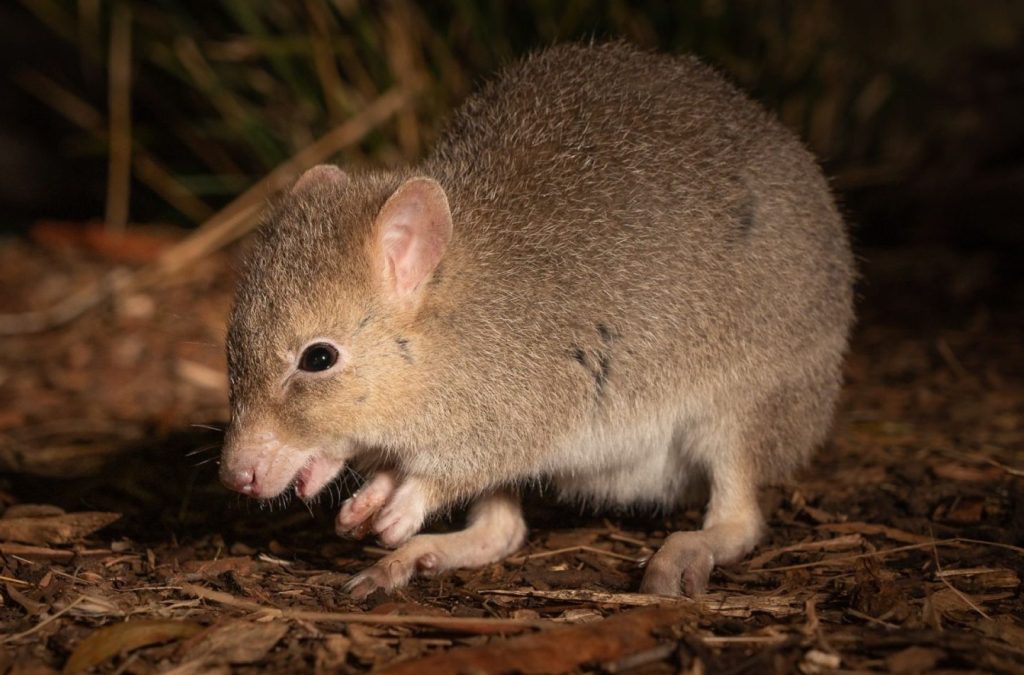
Reliable data on where species occur, how often they appear, and how they use habitats is essential for effective conservation planning. Traditionally, most of this information comes from wildlife studied in publicly accessible places, leaving private land largely underrepresented. The Tasmanian Land Conservancy’s (TLC) citizen science program, WildTracker, is starting to change that. It now … Continue reading
Turn your garden into habitat for birds
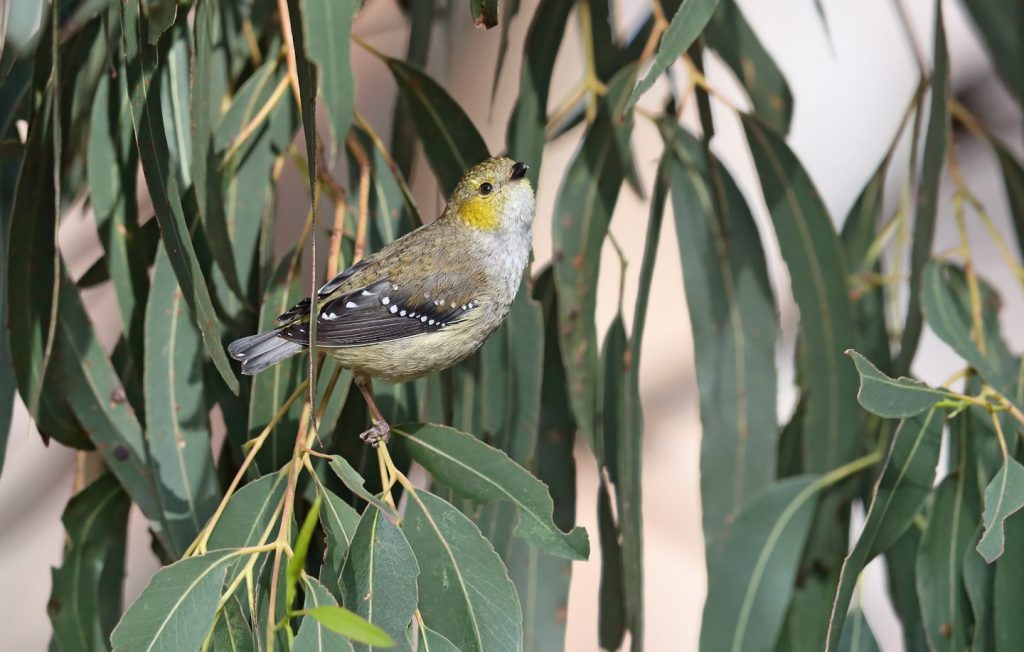
When planting to attract birds, it’s crucial to include a variety of vegetation layers and species. Different birds have distinct needs: scrubwrens forage on the ground, brown thornbills inhabit mid-level shrubs, and parrots prefer trees. Dense vegetation is essential for many species, providing food, water, shelter, and breeding sites. Key Planting Strategies: The joy of … Continue reading

Quolls, cartoons, and creative connections
This story begins beneath the floorboards of a cottage in Kayena, northern Tasmania, where a spotted-tailed quoll was caught on camera slipping through a rough-cut hole in a weatherboard wall – nesting material clutched in its mouth. Andrew had set up a camera under his home to check for neighbourhood cats after a neighbour mentioned … Continue reading
Backyard guardians: Bats
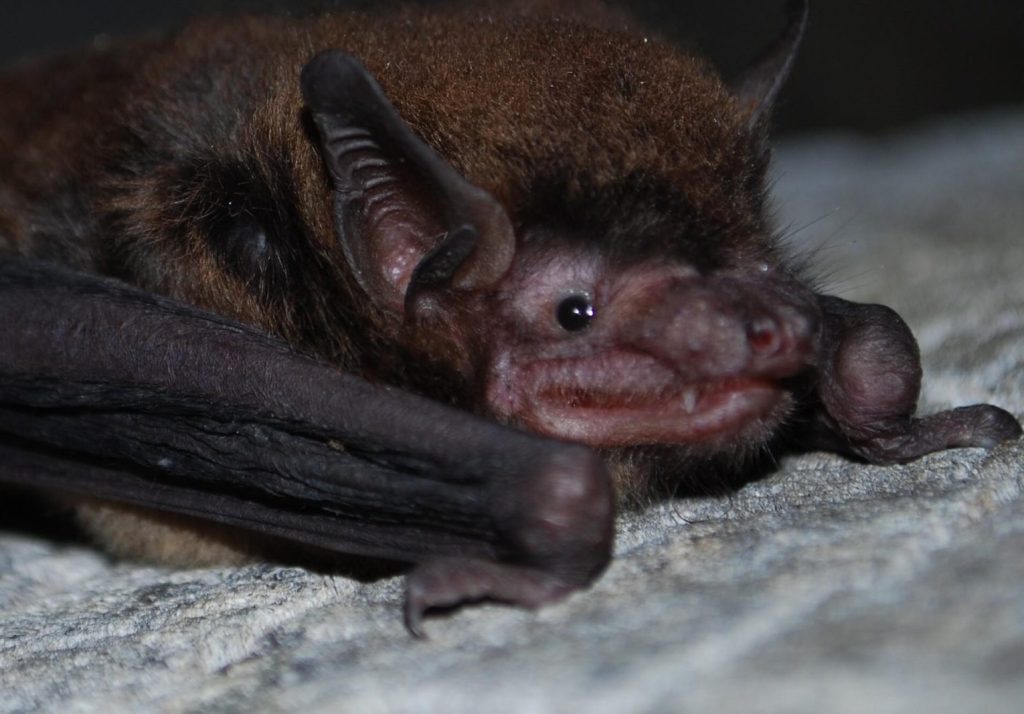
By Dr Lisa Cawthen, environmental consultant and educator As the sun sets over Lutruwita/Tasmania and the evening chorus fades, a hidden shift begins. From tree hollows and rooftops, tiny winged warriors take flight – our microbats. These backyard superheroes spend the night devouring hundreds of insects, helping to keep our ecosystems in balance. Often misunderstood, … Continue reading
Wildtracker: Photos in focus
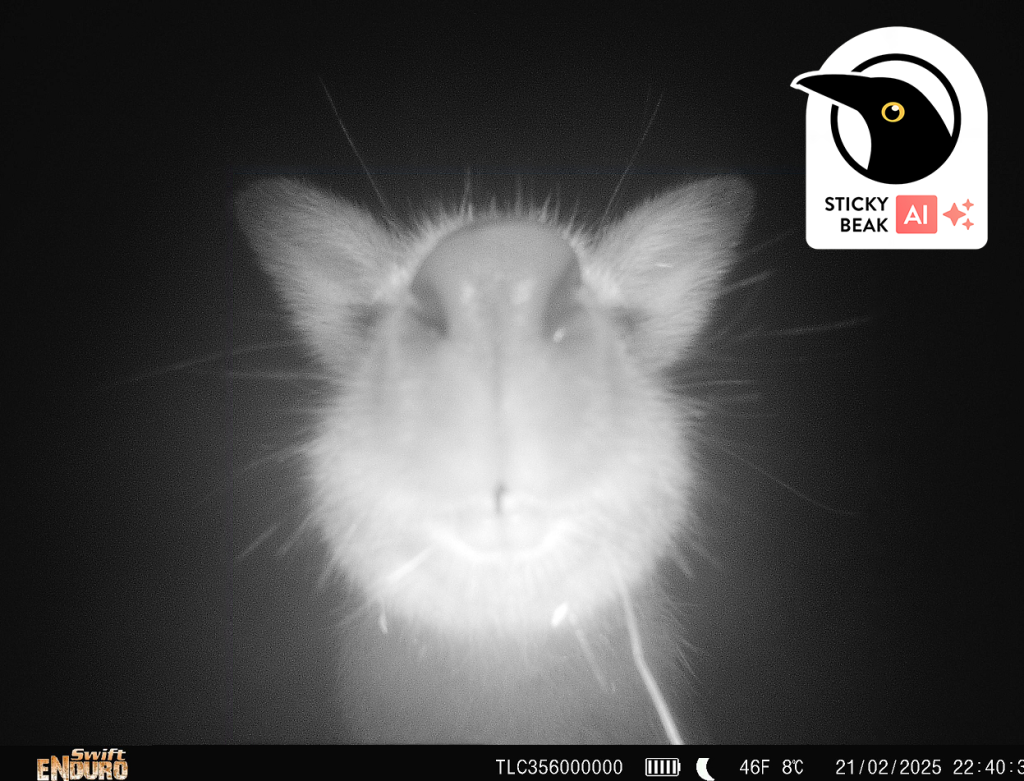
A well-camouflaged echidna, detected and classified by Stickybeak at the Tasmanian Land Conservancy’s Kelvedon Hills Reserve. While Stickybeak doesn’t always get it right – sometimes flagging rocks, sticks or tree guards as potential animals – this is a great example of its value in spotting wildlife that can be hard to detect, even for human … Continue reading
Local plants and wildlife with orange-striped onesies
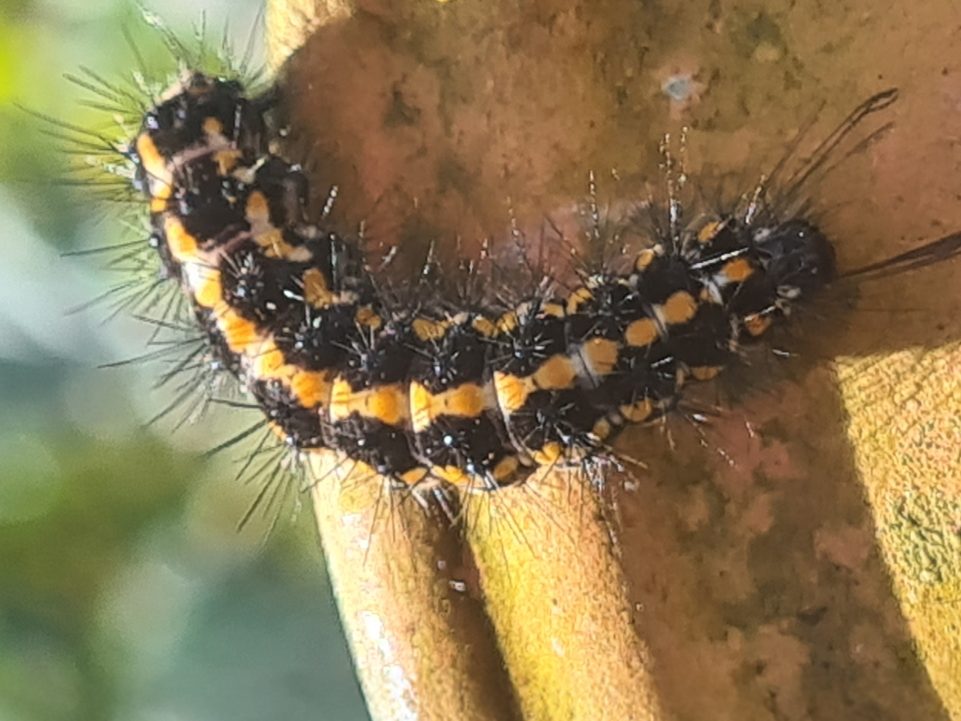
Because native wildlife and plants have evolved side by side, fostering native plants is one of the best things you can do for nature. In my case, letting local species grow on our bush block led to a surprise encounter with a delightfully coloured moth – and an unexpected … Continue reading
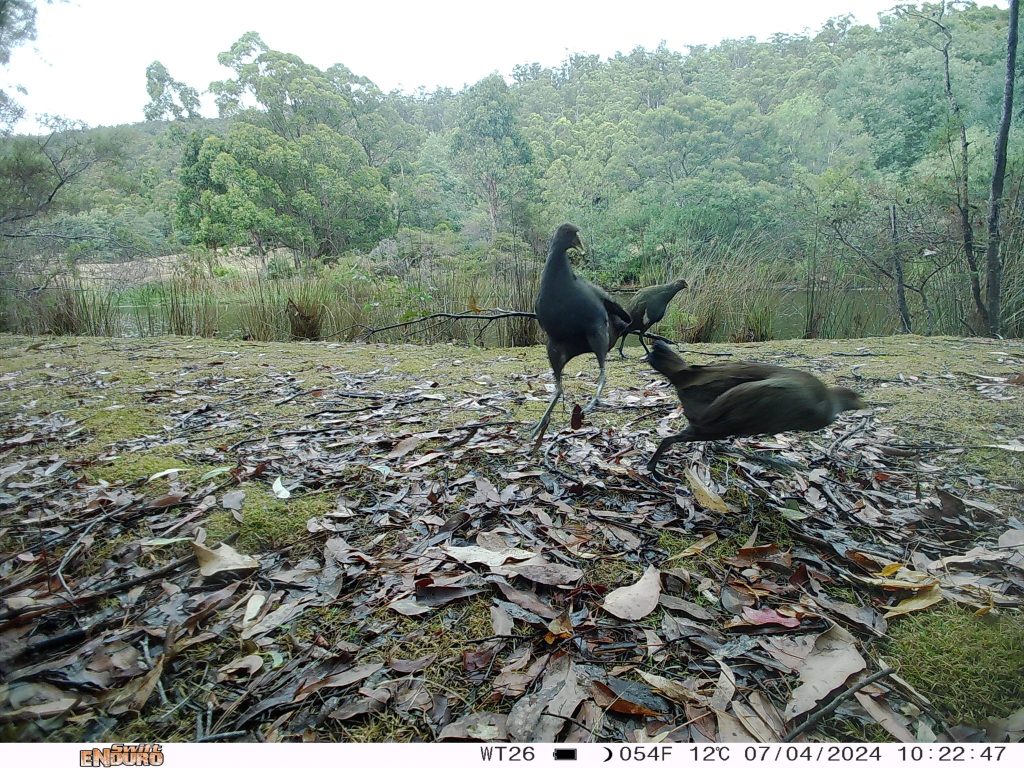
WildTracker: Validating your species records and what we’re learning
WildTracker participants have now uploaded more than one million photos – an incredible collective effort that continues to grow. To better understand how accurate the classifications associated with some of those photos are, we recently kicked off a validation project in collaboration with the University of Tasmania. The aim? To compare species tags assigned by … Continue reading
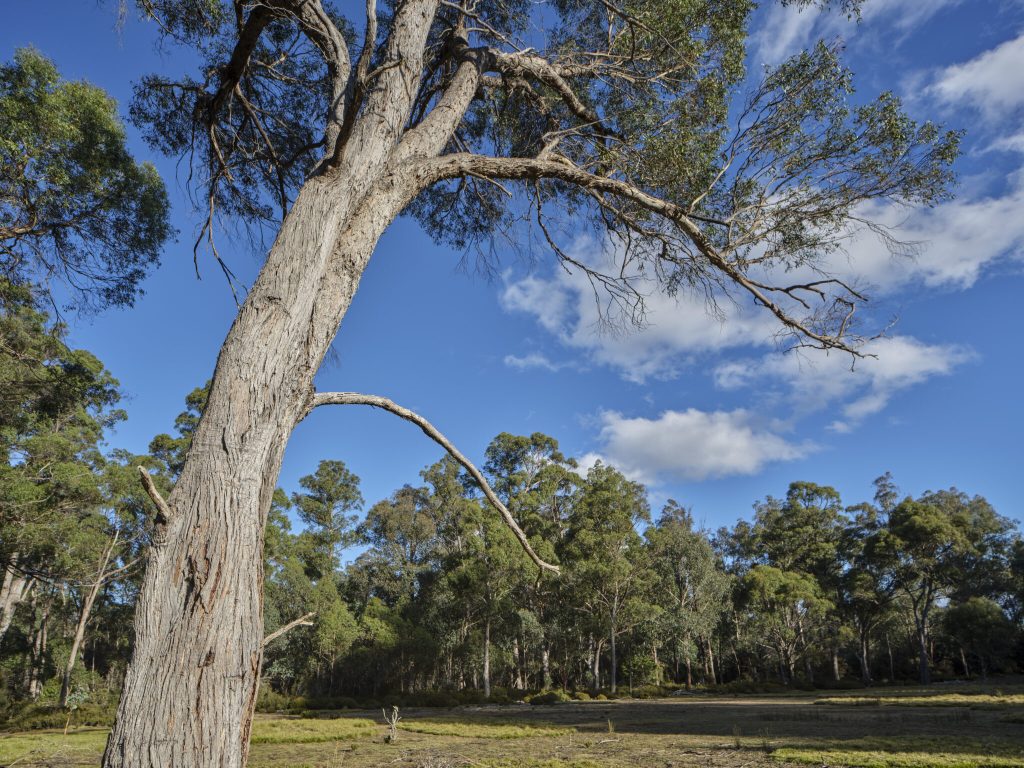
Don’t chop those old branches down
If you’re thinking of removing those dead branches, think again! When we think of overhanging dead branches, we think ‘danger’ – that widowmaker could drop at any moment, wiping out everything below. But these bare branches can also play an important role in the life of a bird. When we see a bird on a … Continue reading